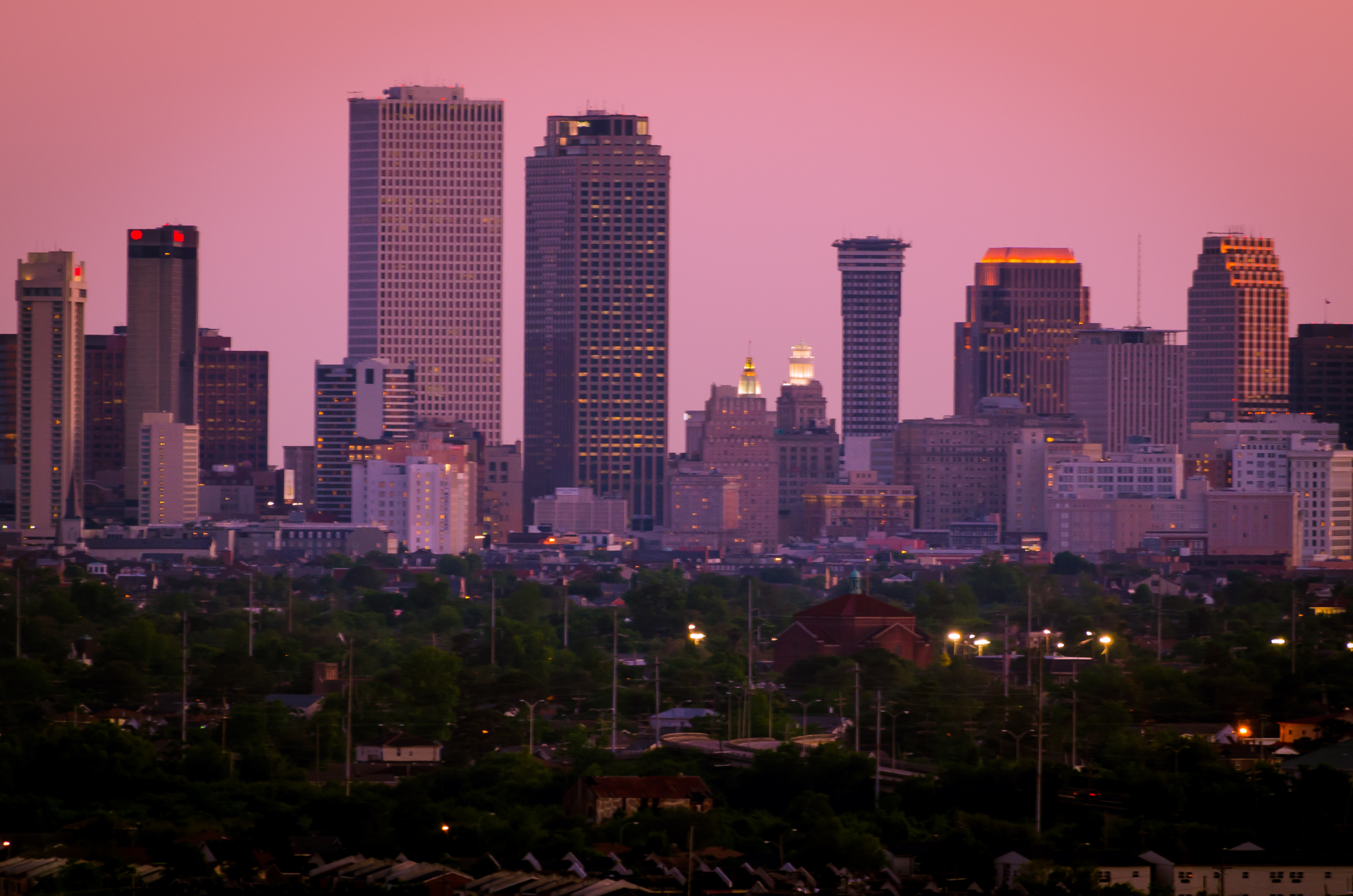
New Orleans, often called "The Big Easy" or "The Crescent City," is a captivating destination with a unique blend of culture, music, history, and cuisine. The best time to visit New Orleans depends on your preferences and the type of experience you're seeking. Here's a breakdown of the different seasons and what they offer:
- Spring (March to May): Spring in New Orleans is a delightful time to visit. The weather is mild and comfortable, and the city comes alive with vibrant festivals, including the world-famous New Orleans Jazz & Heritage Festival. You can explore the historic French Quarter, enjoy live music in the streets, and savor delicious Creole cuisine.
- Summer (June to August): Summers in New Orleans are hot and humid, but they also offer a unique experience. You can experience the lively atmosphere of the city, with outdoor concerts, festivals, and vibrant street life. Be prepared for the heat and occasional rain showers, but also enjoy cooling off with refreshing drinks and sno-balls.
- Fall (September to November): Fall is another great time to visit New Orleans. The weather becomes more pleasant, and the city's cultural events and music scene continue to thrive. You can explore the charming Garden District, take a steamboat cruise on the Mississippi River, and indulge in gumbo and beignets.
- Winter (December to February): Winter in New Orleans is relatively mild compared to many other parts of the country. The city is beautifully decorated for the holiday season, with festive lights and decorations in the French Quarter. You can enjoy the city's jazz clubs, visit historic plantations, and sample the city's famous cuisine.
- Shoulder Seasons: Consider visiting during the shoulder seasons of early spring (late March to early April) or late fall (late October to early November) for pleasant weather and fewer crowds. These times offer a balance between comfortable conditions and fewer tourists.
- Special Events: New Orleans hosts numerous special events throughout the year, including Mardi Gras, the French Quarter Festival, and the New Orleans Film Festival. Planning your visit around these events can provide you with unique and culturally rich experiences.
- Budget Considerations: Keep in mind that hotel prices may be higher during Mardi Gras and major holidays like Christmas and New Year's. Traveling during the shoulder seasons or winter can offer more budget-friendly options.
In conclusion, the best time to visit New Orleans depends on your preferences, whether it's the lively atmosphere of summer, the cultural richness of spring and fall, or the festive charm of winter. New Orleans welcomes visitors year-round with its distinctive culture, live music, delectable cuisine, and historic charm.